


Blasting
Glass bead blasting produces satin-matt stainless steel surfaces with a uniform, understated appearance and a shadow-free finish.
Properties
- Double-sided finishing available
- Blasted patterns to your specifications or based on samples
- Custom effect blasting, such as gradient blasting, can be achieved
- Gloss level and surface roughness reproducible at any time
- Also available as a contract finishing service
- High production capacities enable short lead times and fast delivery.
Suitable Materials
- Stainless steel: 1.4016, 1.4301, 1.4401, 1.4404, 1.4462, 1.4571
Dimensions
- Width: max. 2,000 mm
- Length: max. 6,000 mm
- Thickness: max. 30 mm
Blasting
Applications
- Architecture
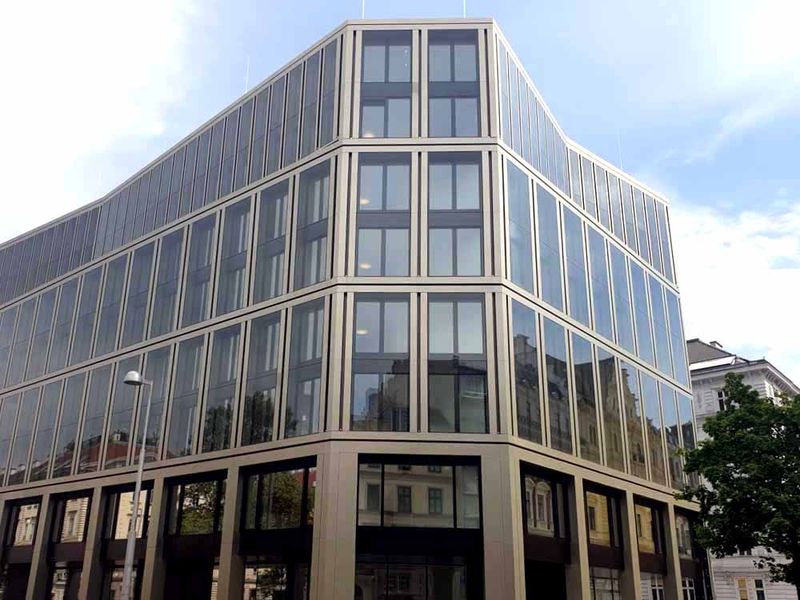 BUWOG
- Architecture
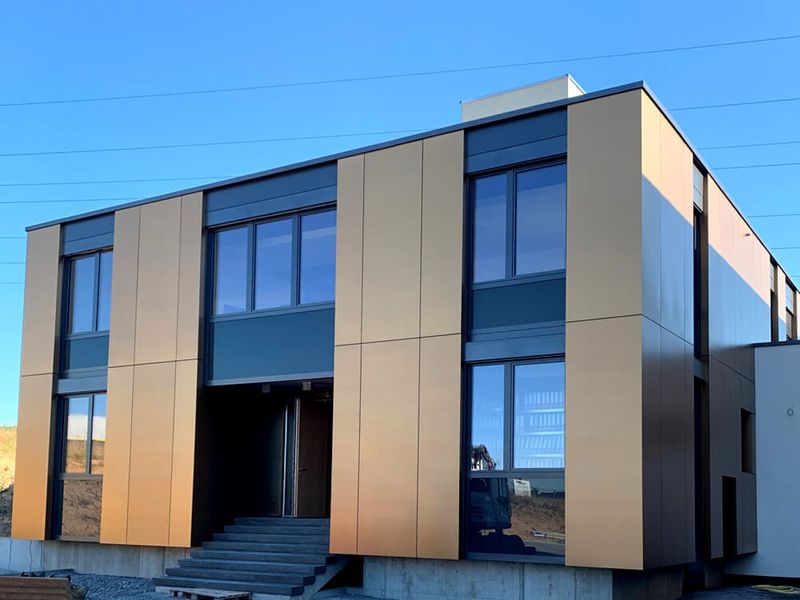 mirrorINOX Headquarters
- Architecture
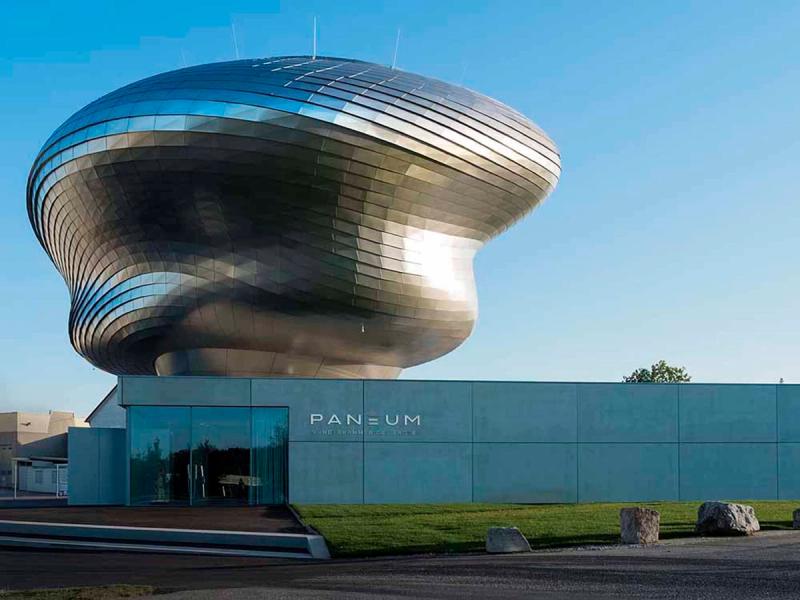 Museum Paneum
- Architecture
 RMK Headquarters
- Retail and Exhibition Design
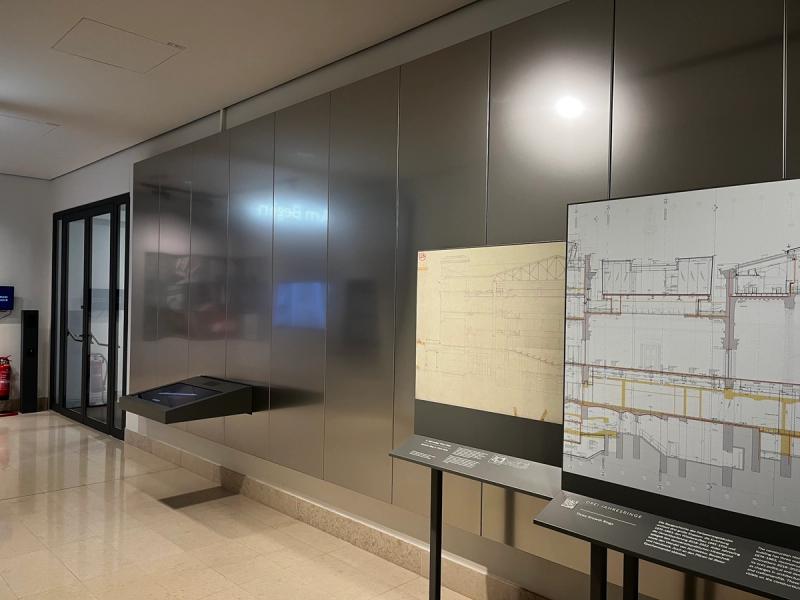 Hohes Haus Hohes Handwerk
- Elevators and Escalators
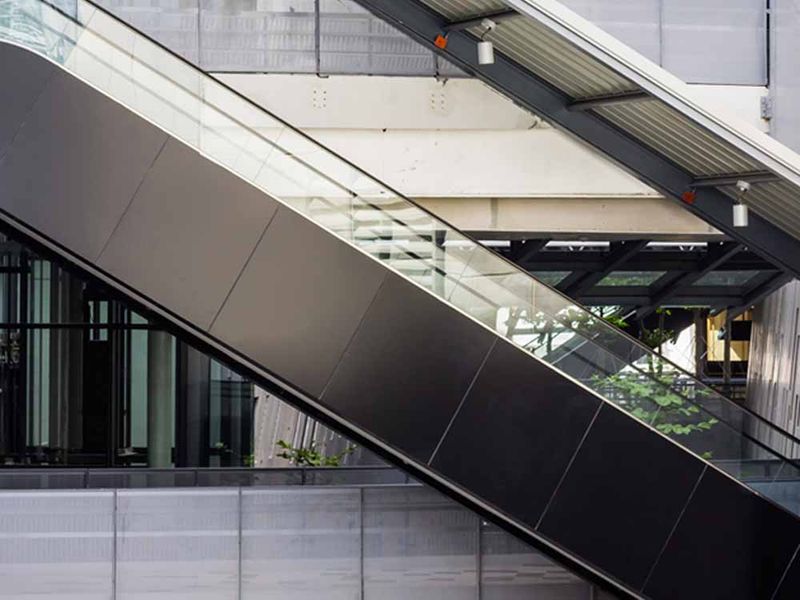 Escalator Construction Application
- Architecture
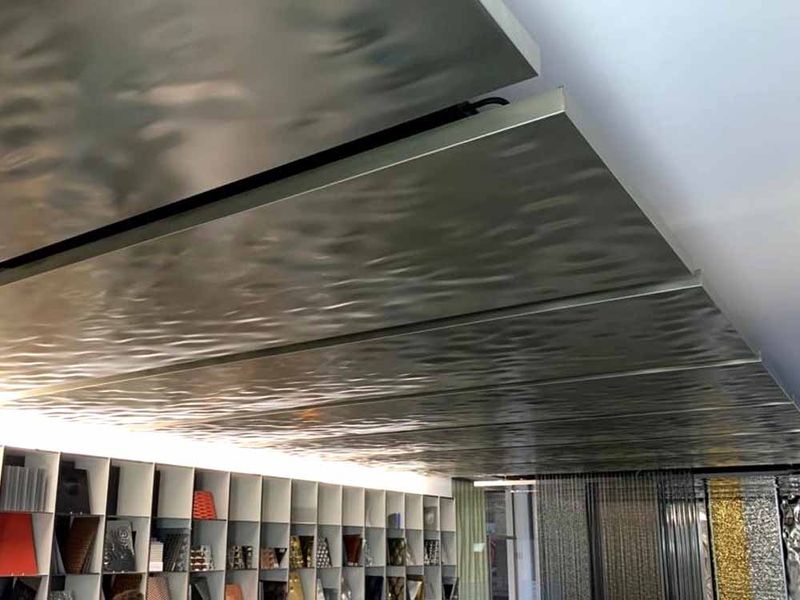 Ceiling application
- ArchitecturemirrorINOX Headquarters
- Architecture
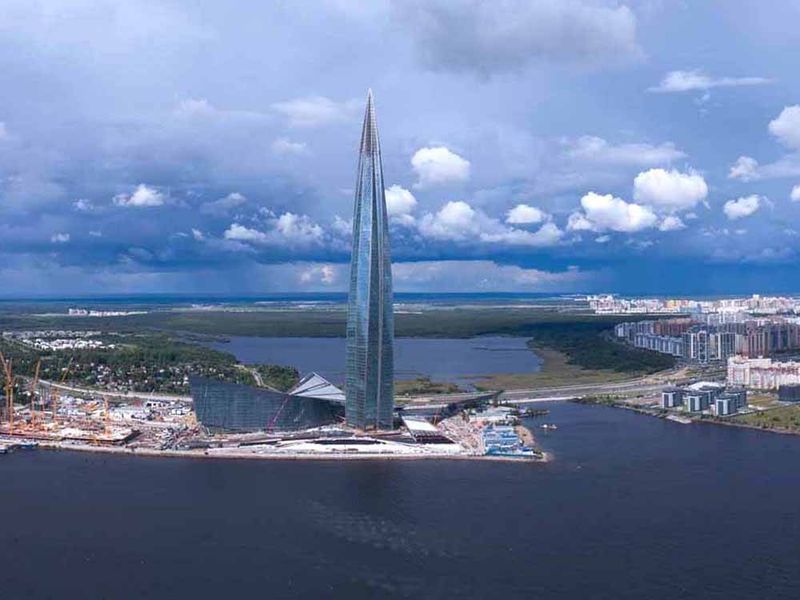 Lakhta Center


Product details
Our finishes
BEADS 1
- Fine glass bead blasted
BEADS 3
- Medium glass bead blasted
BEADS 7
- Coarse glass bead blasted
Downloads

FAQ
Frequently Asked Questions
What are BEADS finishes from mirrorINOX and how do they differ?
BEADS is the mirrorINOX product line for blasted finishes. BEADS 1 has the finest grain, BEADS 3 produces a medium blast pattern, and BEADS 7 a distinctly coarser one.
Which materials can mirrorINOX glass bead blast?
In addition to stainless steel, we also blast brass, copper, titanium and aluminium. The process is suitable for all common non-ferrous metals, using the appropriate blasting medium and parameters to achieve the desired result.
What dimensions are possible for glass bead blasting?
mirrorINOX blast-finishes sheets in widths up to 2,000 mm, lengths up to 6,000 mm and thicknesses up to 30 mm – on both the front and reverse sides. Blast patterns to customer specifications and special-effect blasting, such as gradient blasting, are also available.
How does mirrorINOX ensure the reproducibility of blasted finishes?
Each sheet is documented after production: surface roughness, gloss level and visual appearance are measured and recorded. This ensures consistent quality, even for large production runs and repeat orders – a decisive advantage for architectural and façade projects.
What is the difference between glass bead blasting, sandblasting and shot peening?
Sandblasting and bead blasting produce less homogeneous surfaces and are more suitable for industrial applications without stringent visual requirements. mirrorINOX uses the injector/Venturi process, which produces particularly uniform, homogeneous surfaces, even on thin-gauge sheet, and forms the basis of the entire BEADS product line.
Which industries are BEADS surfaces particularly suitable for?
Architecture, façade construction, elevator construction, shopfitting and exhibition stand construction, shipbuilding and yacht building, as well as plant and mechanical engineering. Wherever a uniformly matt, non-directional surface is required – both functional and aesthetically appealing.
Other Products
More Products
- Mirror and High-Gloss Polishing
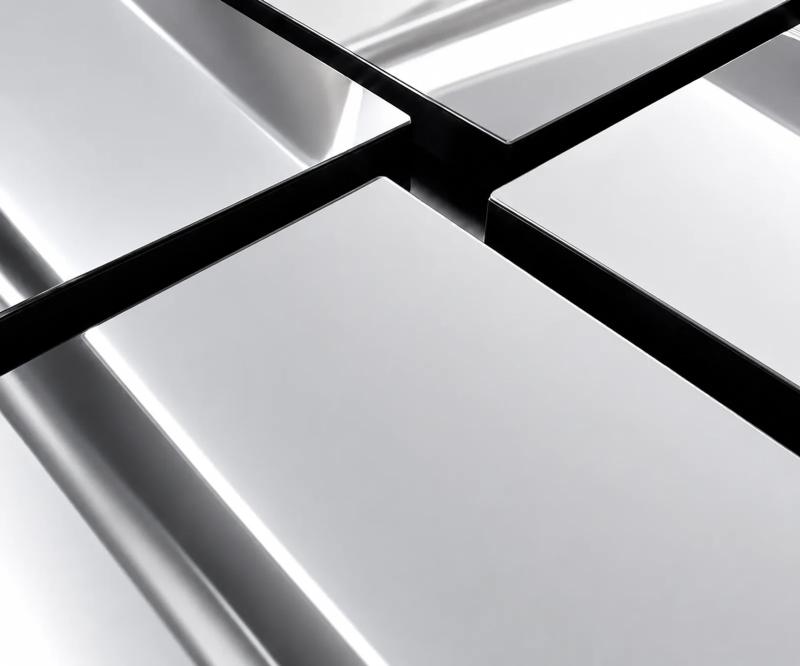
Mirror-polished stainless steel from Mirror No. 7 to Perfect Mirror No. 10® – developed for ...
- Eco Etching
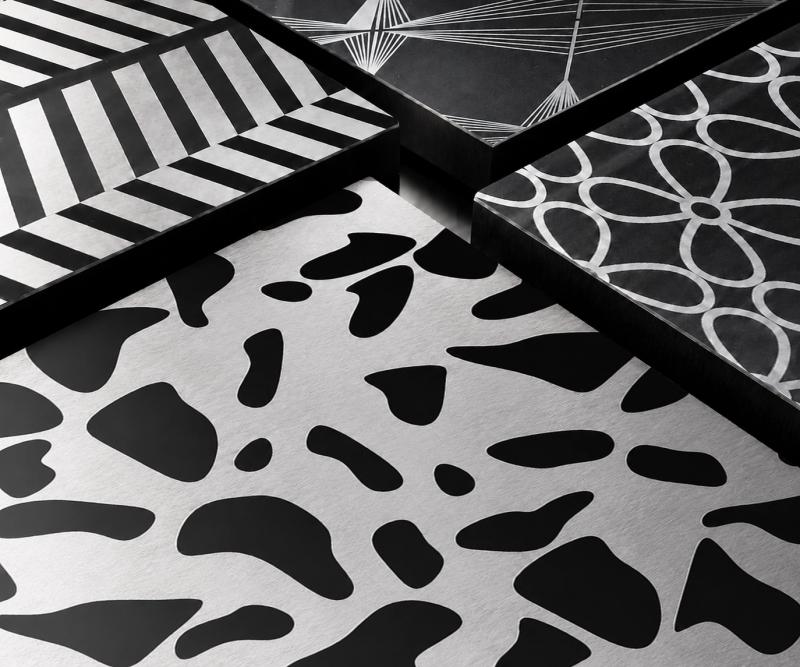
From intricate patterns to large-scale graphics: Eco Etching technology enables custom designs ...
- Custom Laser-Cut Parts
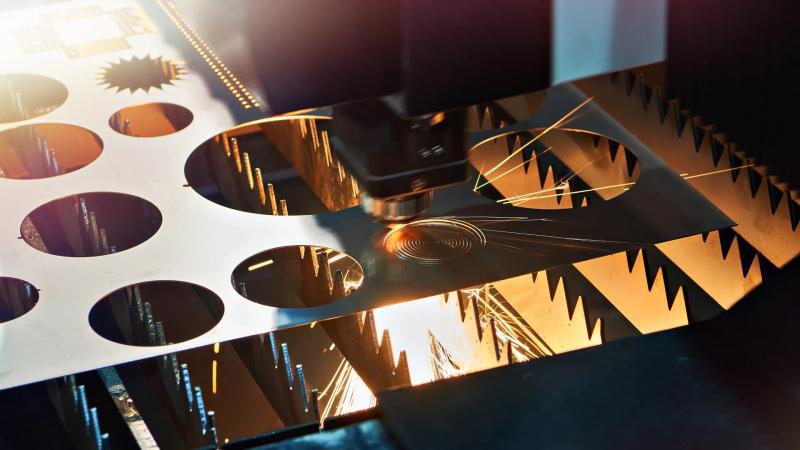
Large-format laser-cut parts up to 4,000 x 2,000 mm and 10 mm material thickness. We process ...


