
Elevators and Escalators
Surfaces define the appearance of an elevator – and must withstand heavy daily use. Mirror-polished, textured, coloured or functional finishes offer a wide range of design options for car walls, doors, ceilings and shaft cladding.
Current References
- Elevators and Escalators
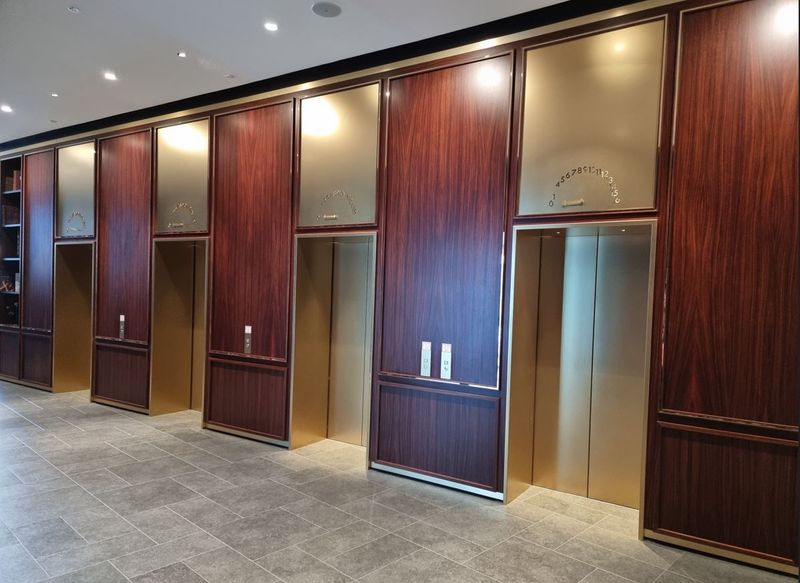 Elevators at Parkapartments am Belvedere
- Elevators and Escalators
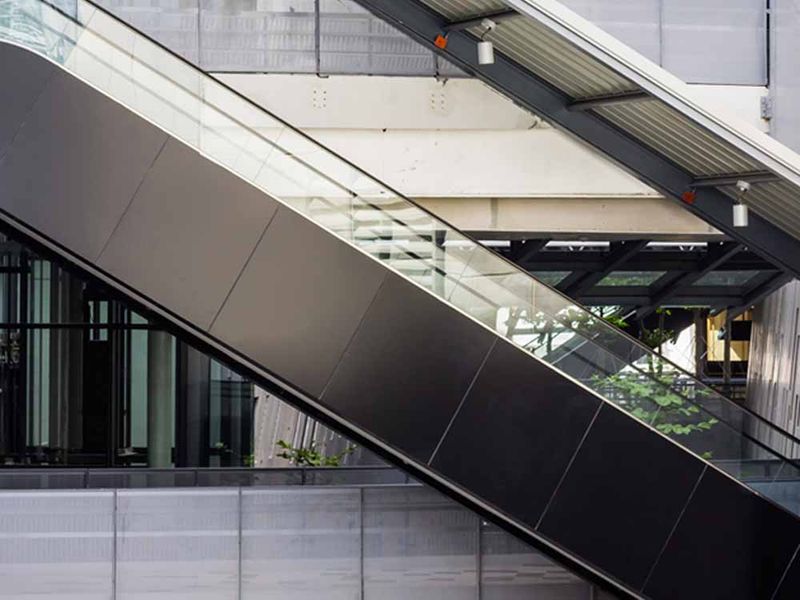 Escalator Construction Application
- Elevators and Escalators
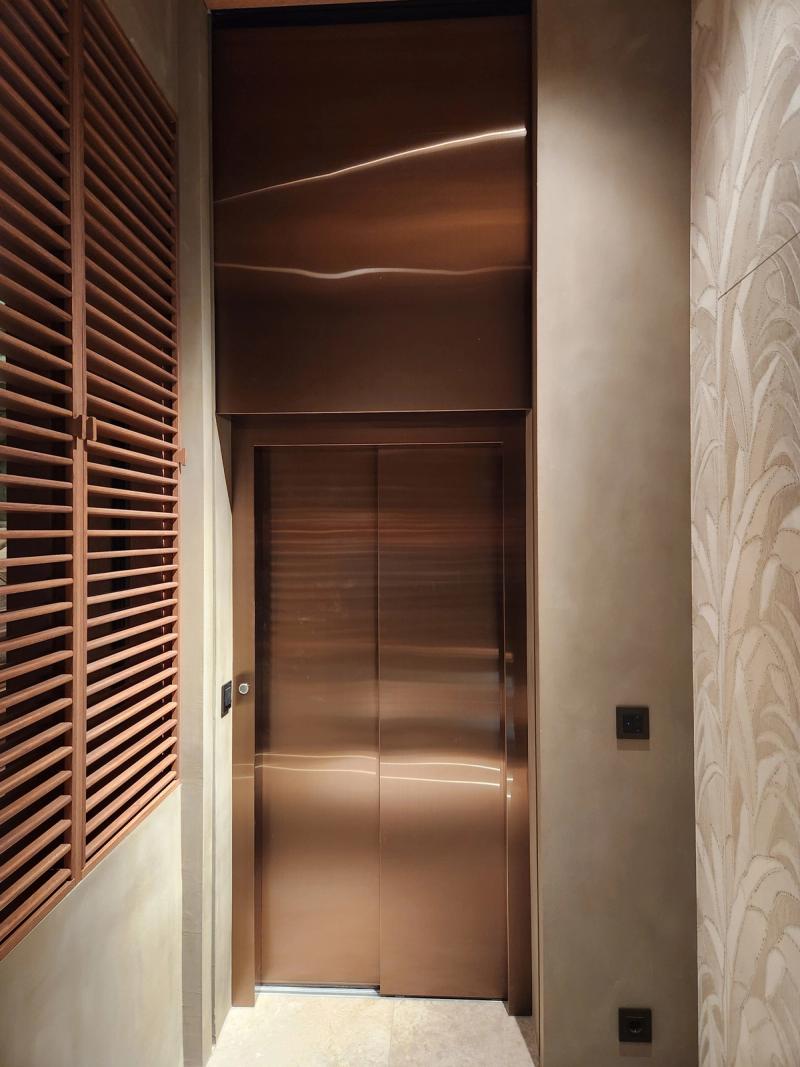 Elevator at Villa Kitzbühel
- Elevators and Escalators
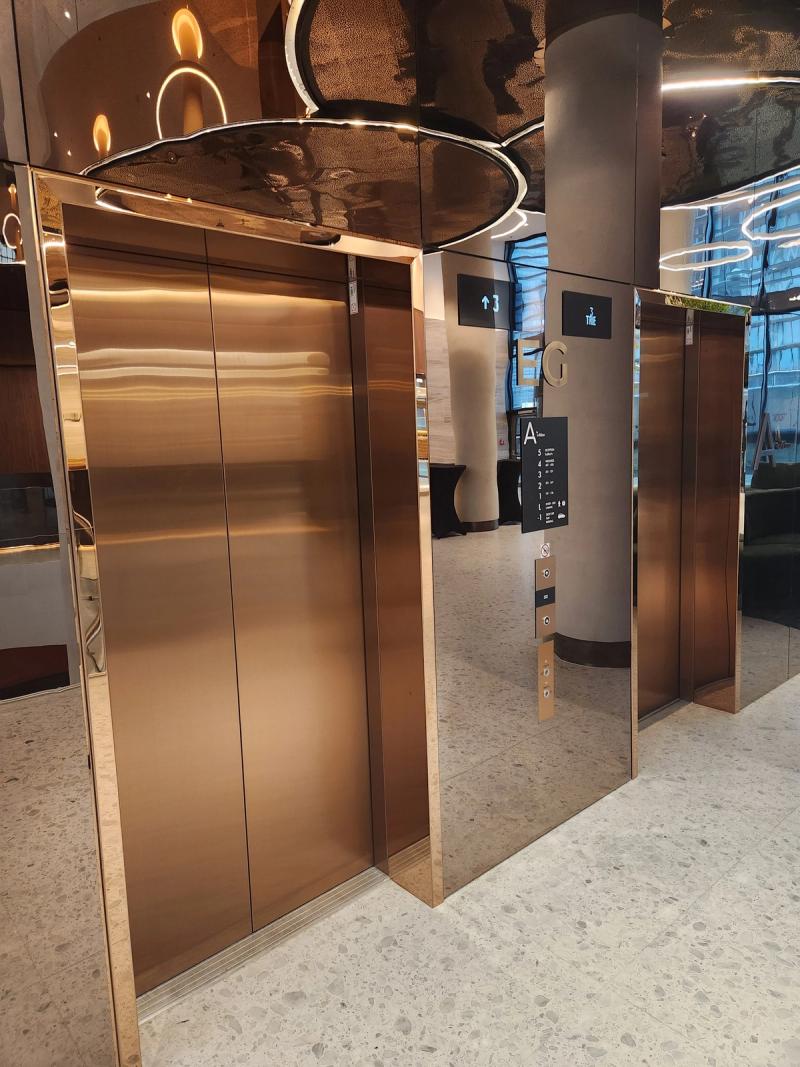 Danube Flats Elevators
- Elevators and Escalators
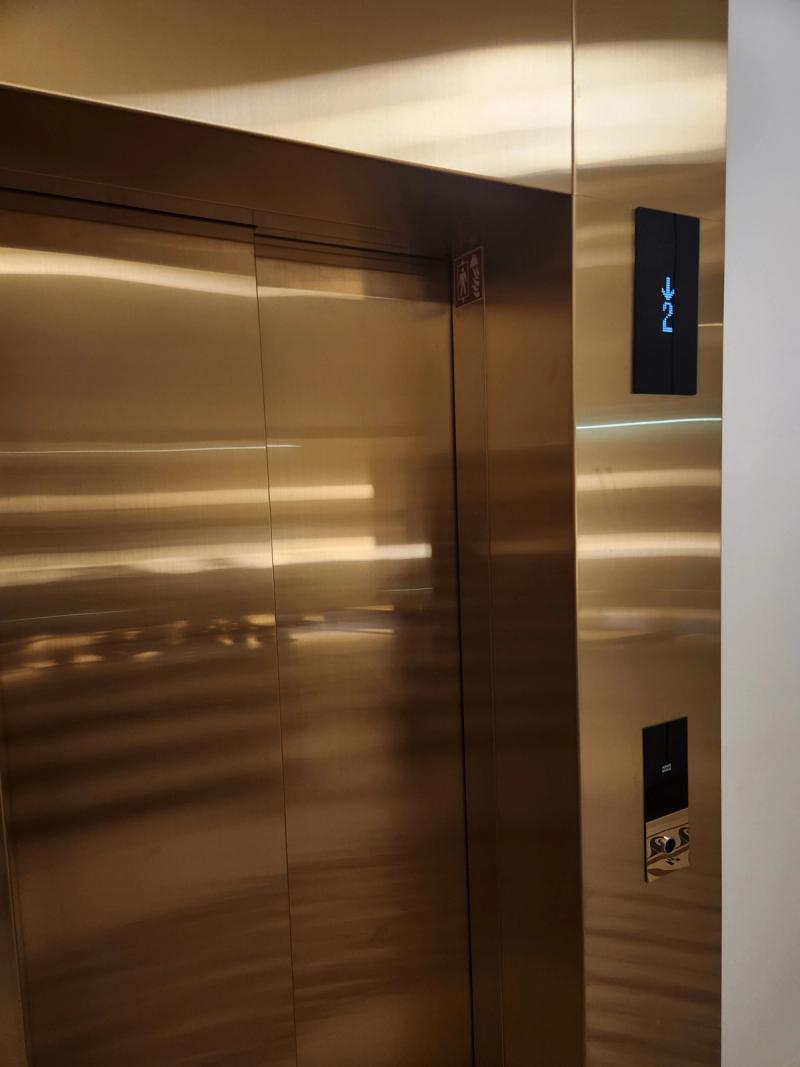 Rathausstraße Elevator
- Elevators and Escalators
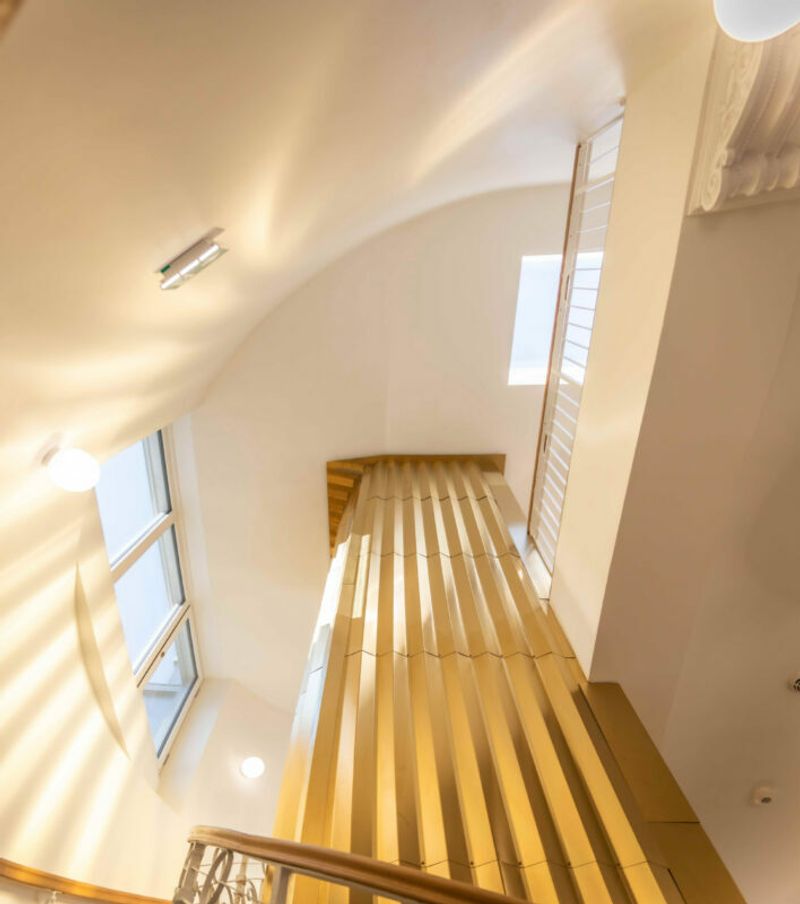 Hohenstaufengasse Elevator
- Elevators and Escalators
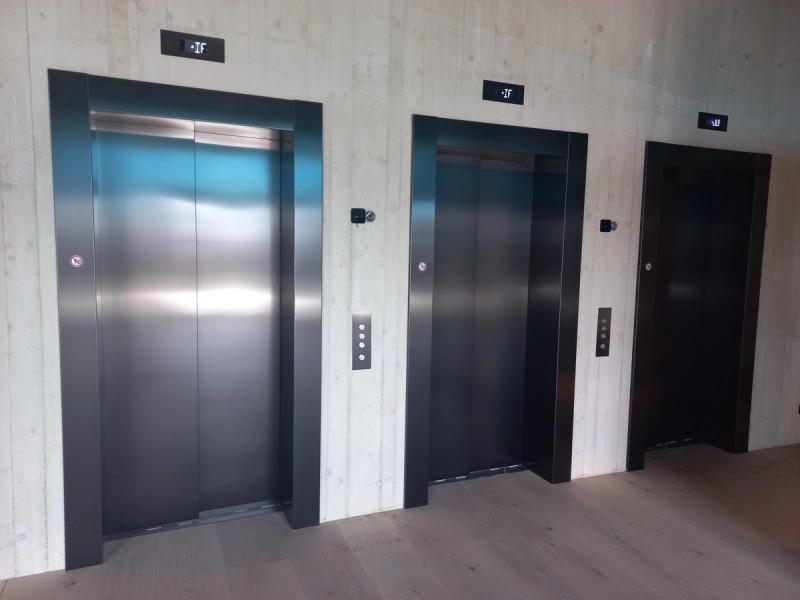 Elevators at Museum Karlsplatz
- Elevators and Escalators
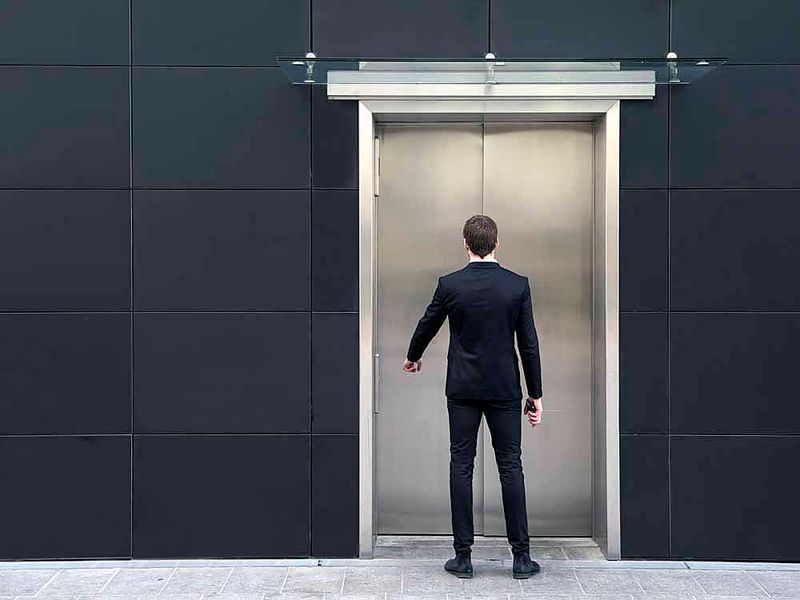 Elevator Construction Abyss Black Matt nanoINOX®
- Elevators and Escalators
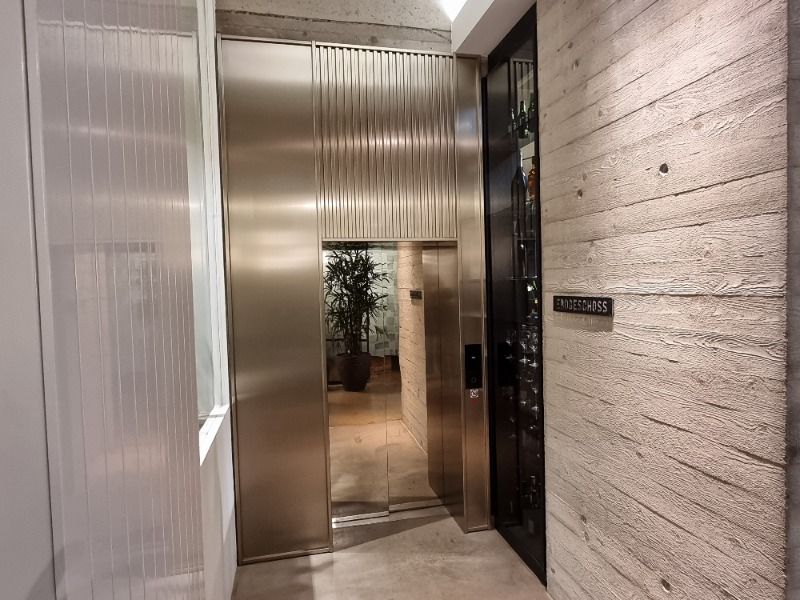 Formdepot Elevator, Vienna, Austria
- Elevators and Escalators
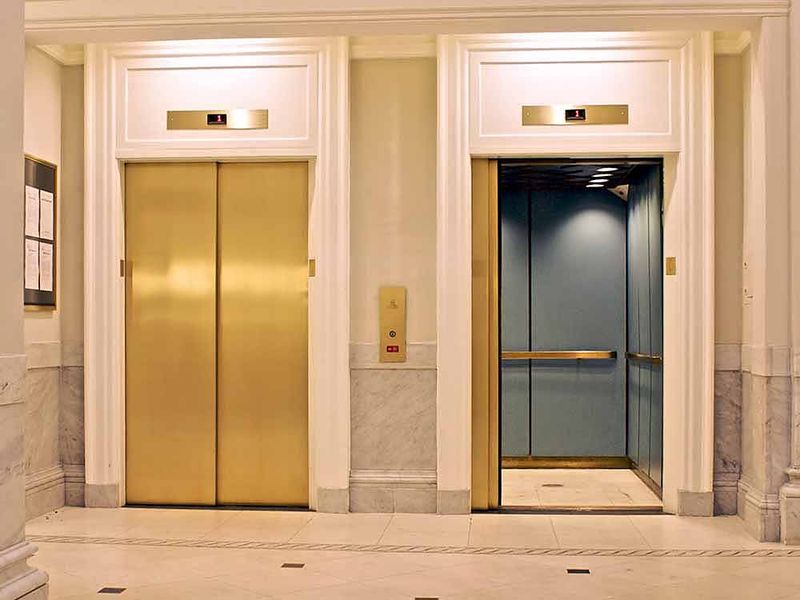 Elevator Construction HAIRLINE Gold-TiN
- Elevators and Escalators
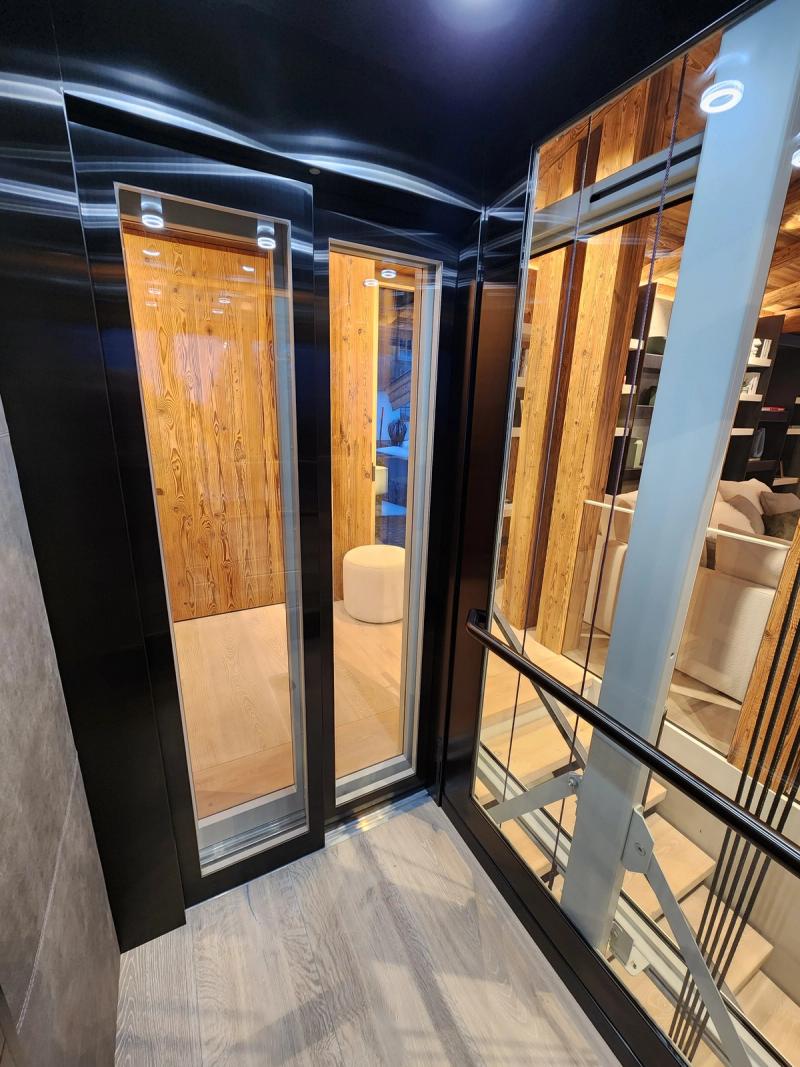 Villa Aurach Elevator
- Elevators and Escalators
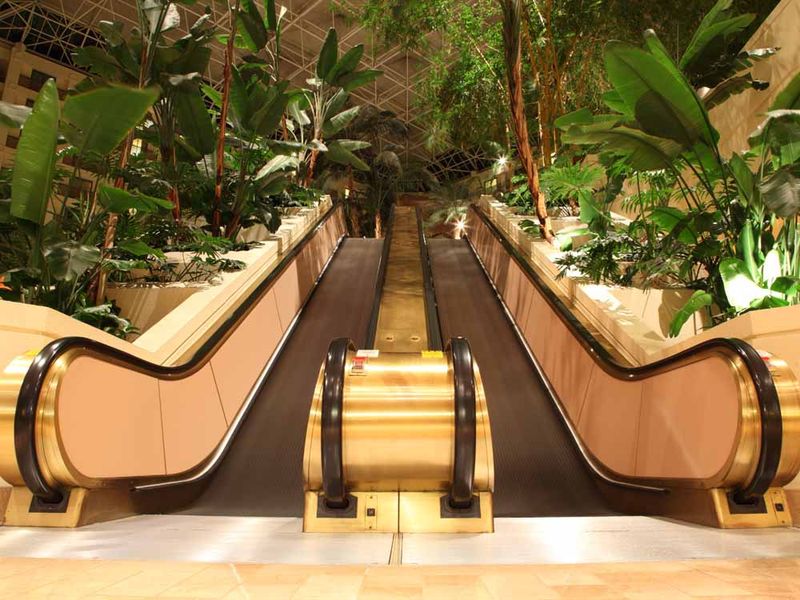 Escalator Construction Application
- Elevators and Escalators
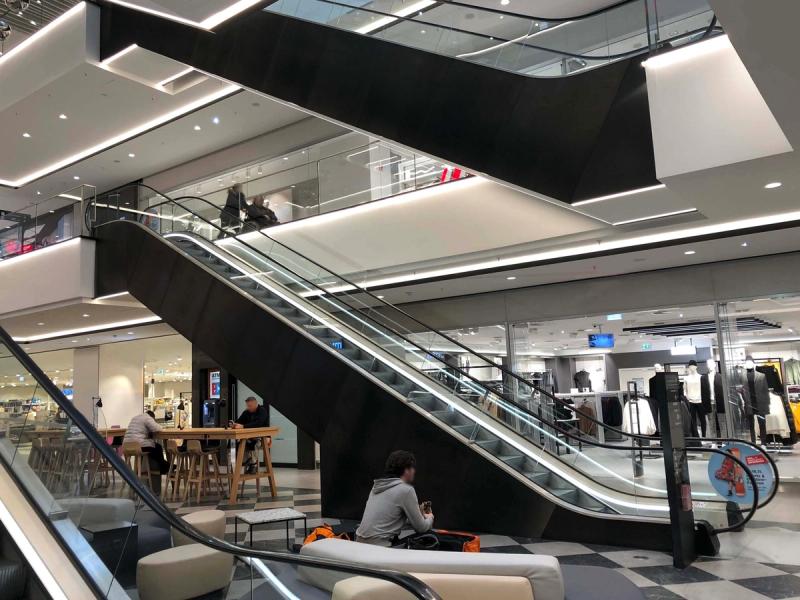 Munich Shopping Center
- Elevators and Escalators
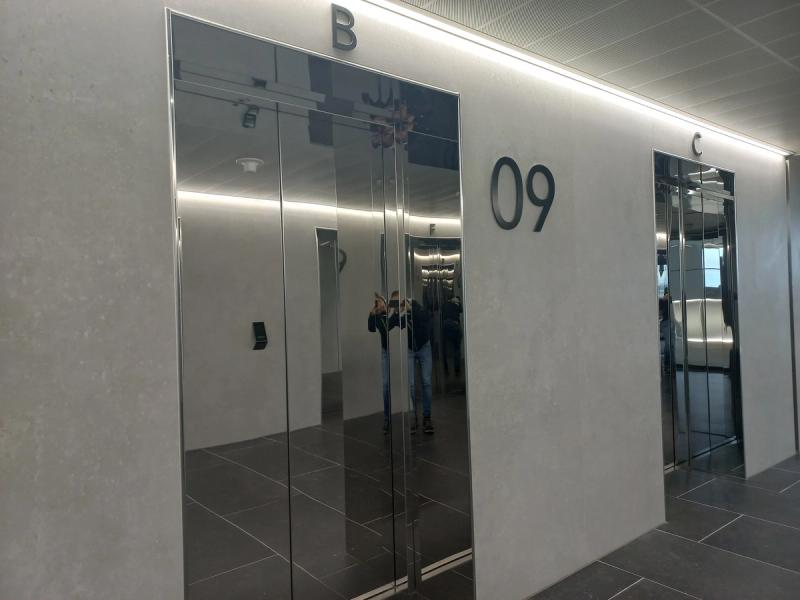 Austro Tower


FAQ
Frequently Asked Questions
What advantages does nanoINOX® offer for elevator maintenance?
nanoINOX® reduces visible fingerprints and makes high-touch surfaces easier to clean. This helps reduce the use of water and cleaning agents, as well as ongoing maintenance requirements.
How do stainless steel surfaces contribute to elevator floor safety?
Pattern-rolled and textured stainless steel sheets can achieve slip-resistance ratings from R11 to R13, depending on the finish, making them suitable for high-traffic elevator areas. Stainless steel is also non-combustible and helps meet fire safety requirements in public spaces and building construction.
What design options do PVD/TiN-coated stainless steel surfaces offer for elevator cab construction?
PVD/TiN coatings enable shades such as Black-TiN, Gold-TiN or Bronze-TiN on sheets and components. Combined with VIBES, Hairline or mirror-polished surfaces, they create coordinated design concepts for elevator cars, portals and panoramic elevators.
How does stainless steel contribute to a building’s sustainability?
Stainless steel is fully recyclable and, depending on the grade, already contains a high proportion of recycled material. Its corrosion resistance and long service life can help extend replacement cycles and reduce material consumption over the lifetime of a building.

Other Industries
- Architecture
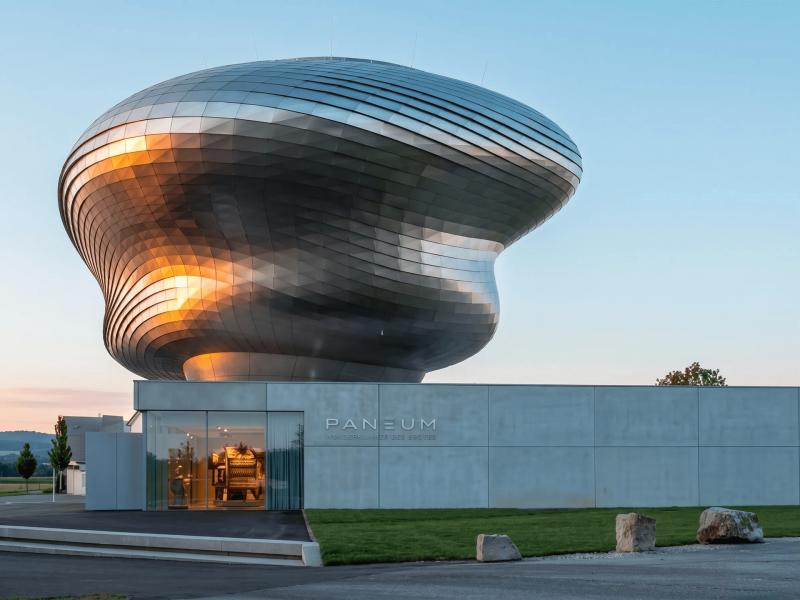
Stainless steel defines modern architecture, from iconic high-rise buildings to sculptural ...
- Tank and Vessel Construction
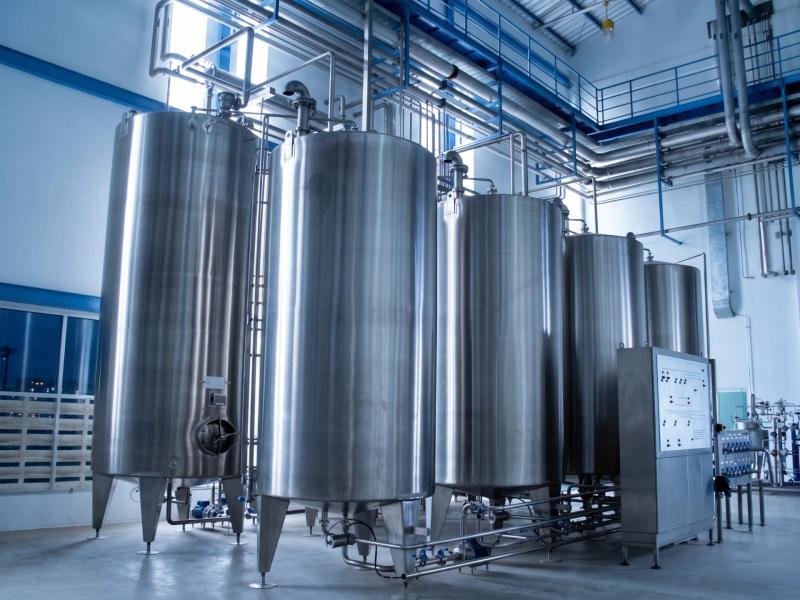
In tank construction, the surface finish is a key factor in hygiene, cleanability and process ...
- Art Objects
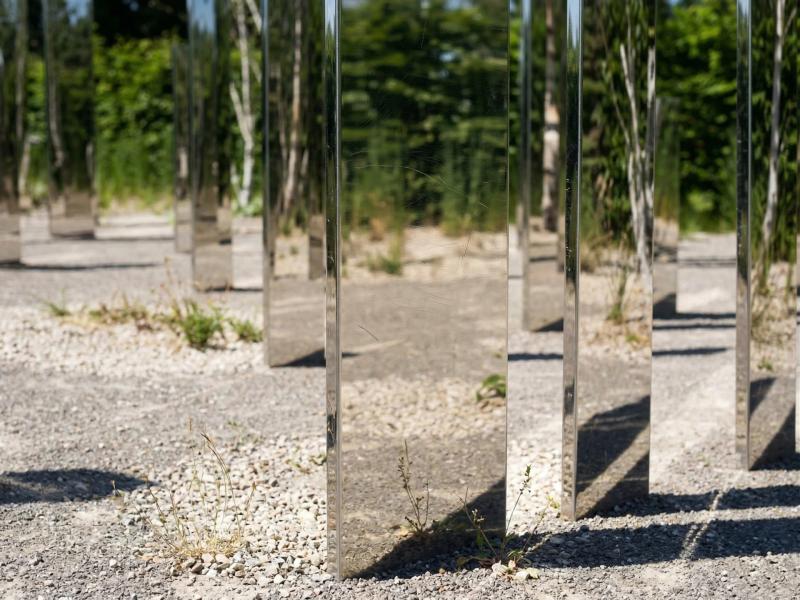
Light, reflection and material define the impact of a work of art. Stainless steel offers ...


