
Food Industry
Where food is processed, hygiene, ease of cleaning and process reliability are crucial. Stainless steel surfaces are used wherever these requirements must be met over the long term. At the same time, they ensure a high-quality appearance.
Current References

FAQ
Frequently Asked Questions
What advantages do mechanically polished surfaces offer for food production?
Mechanical polishing can achieve surface roughness values below Ra 0.1 µm. The exceptionally smooth surfaces reduce adhesion and facilitate cleaning. This can shorten cleaning times and reduce the use of cleaning agents.
How do textured surfaces improve the efficiency of packaging systems?
Pattern-rolled surfaces reduce the contact area between the product and the stainless steel. This lowers friction and allows the conveyed material to move more evenly through the system. This supports stable processes and can reduce downtime.
What advantages does nanoINOX® offer for the food service and food retail sectors?
nanoINOX® reduces fingerprints, makes cleaning easier and protects stainless steel surfaces against fruit acids and other aggressive substances. The coating is free from substances hazardous to health and suitable for contact with food. This keeps high-traffic areas looking clean and hygienic for longer.
Which stainless steel grades are used in the food industry?
Different material grades are used depending on the chemical exposure and cleaning process. These include 1.4301, 1.4401, 1.4404 and 1.4435, as well as duplex grade 1.4462. For particularly corrosive environments, high-alloy grades such as 1.4547 are also available.

Other Industries
- Architecture

Stainless steel defines modern architecture, from iconic high-rise buildings to sculptural ...
- Elevators and Escalators
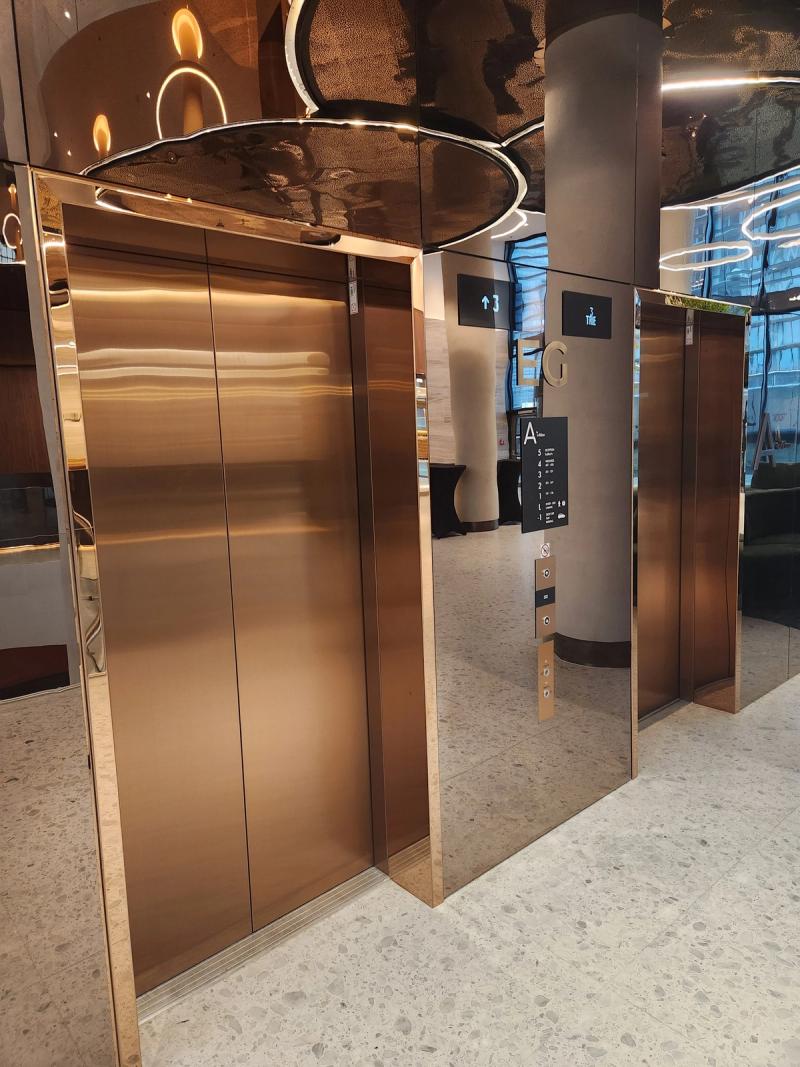
Surfaces define the appearance of an elevator – and must withstand heavy daily use. ...
- Tank and Vessel Construction
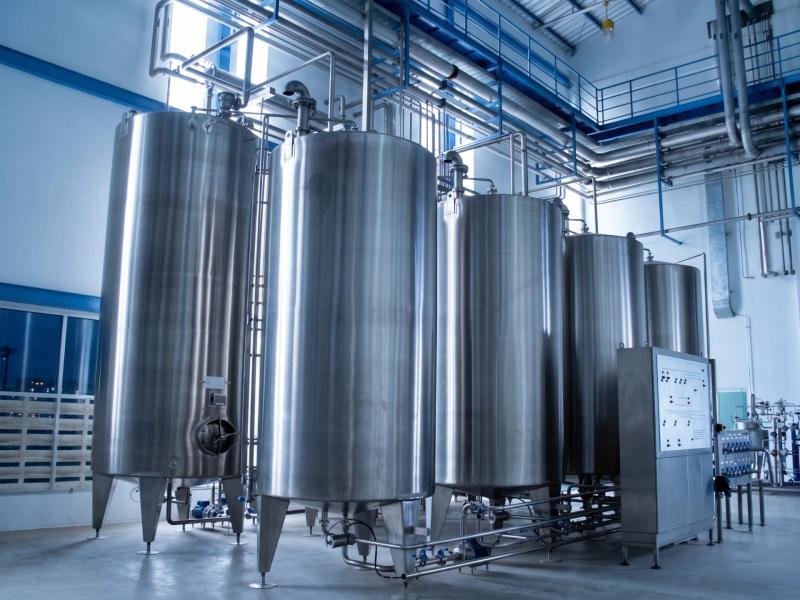
In tank construction, the surface finish is a key factor in hygiene, cleanability and process ...


